COSMOS Ecosystems and the Power of Blockchain Technology
COSMOS is an open-source ecosystem of interconnected blockchains that enables developers to build and deploy decentralized applications (dApps) and services. The project is designed to tackle the scalability and interoperability issues that plague many existing blockchains by providing a framework for building interoperable blockchains that can communicate with each other. COSMOS is built around the concept of "zones," which are independent blockchains that can communicate with each other through the Inter-Blockchain Communication (IBC) protocol.
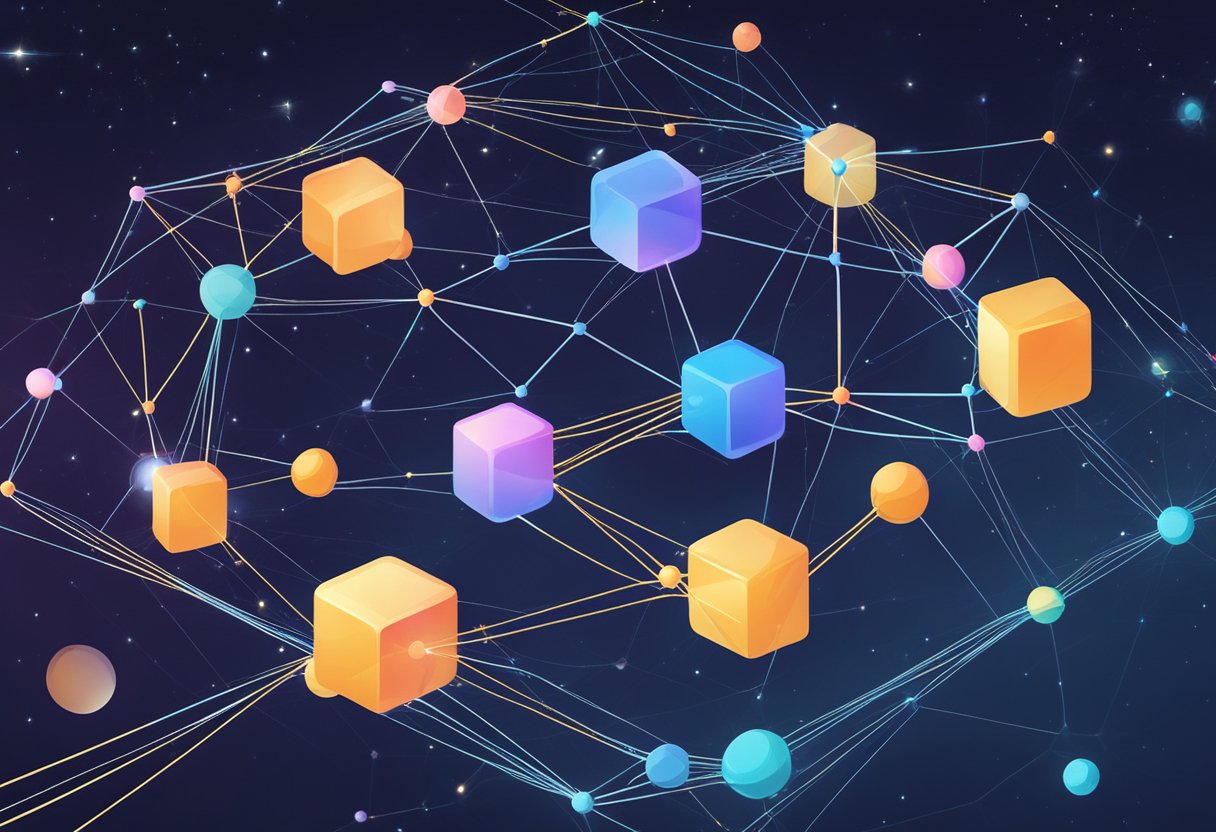
The COSMOS ecosystem is made up of several different components, including the Cosmos Hub, which serves as the economic center of the Interchain. The Cosmos Hub is a blockchain that provides vital ecosystem services, such as staking, governance, and security. Other components of the COSMOS ecosystem include appchains, which are independent blockchains that are built using the Cosmos SDK, and the IBC protocol, which enables these appchains to communicate with each other. COSMOS also has a growing list of dApps and services built on top of the ecosystem, such as decentralized exchanges, lending platforms, and identity solutions.
Understanding COSMOS

COSMOS is a decentralized network of independent, scalable, and interoperable blockchains. It aims to provide a solution to the current issues faced by blockchain technology, such as scalability, interoperability, and usability.
COSMOS is built on top of Tendermint, a Byzantine Fault Tolerant (BFT) consensus engine that provides secure and fast transaction finality. It uses the Inter-Blockchain Communication (IBC) protocol to enable communication between different blockchains, allowing for the exchange of assets, data, and value across the network.
COSMOS is not just a single blockchain, but rather a network of interconnected blockchains, each with its own unique features and use cases. The COSMOS Hub is the central blockchain in the network, serving as the main point of connection for all other blockchains in the ecosystem.
COSMOS also has its own native token, ATOM, which is used for staking, governance, and transaction fees. ATOM holders can participate in the governance of the network, proposing and voting on changes to the protocol.
Overall, COSMOS aims to provide a more scalable, interoperable, and usable blockchain ecosystem, enabling the creation of new decentralized applications and services that can be used by anyone, anywhere in the world.
| Key Features of COSMOS |
|---|
| Decentralized network of independent blockchains |
| Scalable and interoperable |
| Built on Tendermint consensus engine |
| Uses Inter-Blockchain Communication (IBC) protocol |
| COSMOS Hub serves as the central blockchain |
| Native token is ATOM |
| Used for staking, governance, and transaction fees |
Blockchain Ecosystems
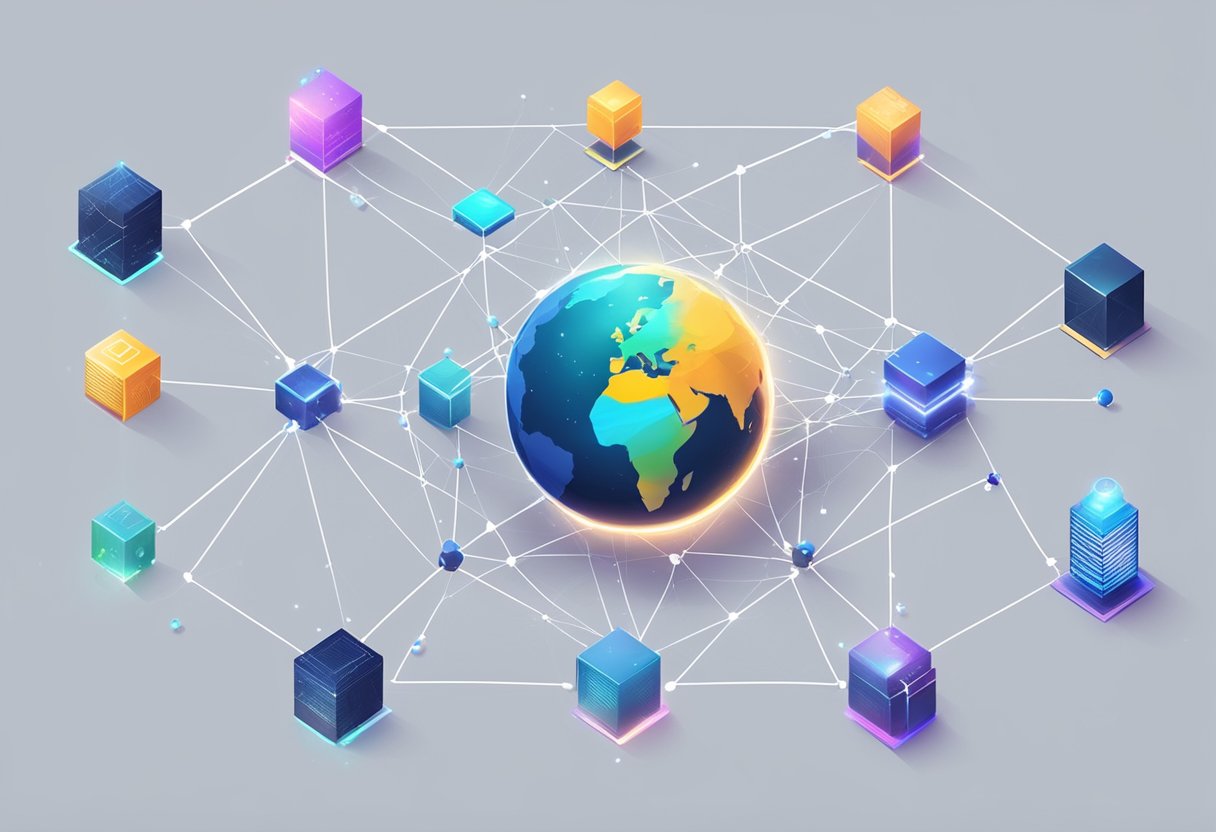
Blockchain ecosystems are networks of interconnected blockchains built using developer-friendly applications and connected with groundbreaking protocols. These ecosystems are designed to provide users with a seamless experience, allowing them to interact with multiple blockchains and decentralized applications (dApps) without having to switch between different platforms.
One of the most prominent blockchain ecosystems is the Cosmos Network. Cosmos is a decentralized network that aims to disrupt the blockchain industry by creating an "Internet of Blockchains." The Cosmos Hub is the gateway to a rapidly expanding ecosystem of independent interconnected blockchains built using developer-friendly application components and connected with the Inter-Blockchain Communication (IBC) protocol. The Cosmos Hub provides vital ecosystem services, serving as the economic center of the Interchain.
The Cosmos ecosystem is designed to provide developers with a scalable and interoperable platform to build decentralized applications. The ecosystem is powered by the ATOM token, which is used to secure the network, pay for transaction fees, and incentivize participation in the ecosystem. The Cosmos ecosystem is also home to a next-gen decentralized exchange, which allows users to swap digital assets from across the Interchain with very low fees and instant transaction confirmation.
Another prominent blockchain ecosystem is the Polkadot Network. Polkadot is a sharded blockchain that allows multiple blockchains to operate in parallel within a single network. The Polkadot ecosystem is designed to provide developers with a scalable and interoperable platform to build decentralized applications. The ecosystem is powered by the DOT token, which is used to secure the network, pay for transaction fees, and incentivize participation in the ecosystem.
In conclusion, blockchain ecosystems are becoming increasingly popular as developers seek to build scalable and interoperable decentralized applications. The Cosmos and Polkadot ecosystems are two of the most prominent blockchain ecosystems, providing developers with the tools they need to build the next generation of decentralized applications.
COSMOS SDK
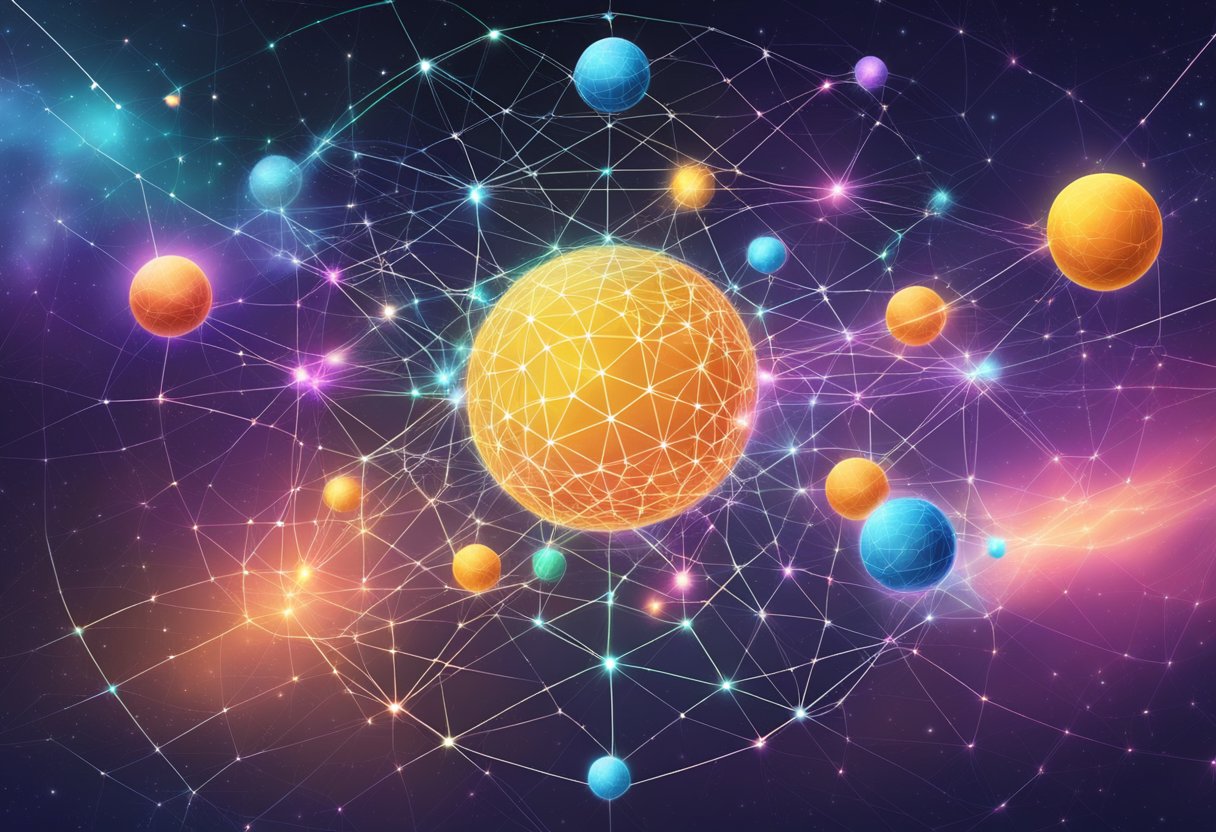
The Cosmos SDK is an open-source framework for building multi-asset public Proof-of-Stake (PoS) blockchains. It also allows for the creation of permissioned Proof-of-Authority (PoA) blockchains. Blockchains built with the Cosmos SDK are generally referred to as application-specific blockchains.
The Cosmos SDK is designed to be modular, allowing developers to create custom modules to extend the functionality of their blockchain application. These modules can be written in a variety of programming languages, including Go, JavaScript, and Rust.
The SDK also provides support for various consensus algorithms, including Tendermint, which is the default consensus algorithm used by the Cosmos Hub. Tendermint is a Byzantine Fault Tolerant (BFT) consensus algorithm that provides fast finality and high throughput.
Developers can use the Cosmos SDK to build customized blockchain applications with a wide range of features, including asset issuance, tokenization, governance, and more. The SDK also provides a rich set of tools for node operation, including monitoring, debugging, and management.
In summary, the Cosmos SDK is a powerful and flexible framework for building blockchain applications. Its modular design and support for various programming languages and consensus algorithms make it an ideal choice for developers looking to create customized blockchain solutions.
Consensus Mechanism in COSMOS
COSMOS is a blockchain ecosystem that utilizes the Tendermint consensus algorithm, which is a Byzantine Fault Tolerant (BFT) consensus mechanism. Tendermint is designed to provide a high degree of fault tolerance, security, and scalability.
The Tendermint consensus algorithm is the backbone of the COSMOS ecosystem. It allows for fast transaction processing, high scalability, and interoperability between different blockchains. Tendermint is based on a Proof-of-Stake (PoS) consensus mechanism, which means that validators are chosen based on the amount of cryptocurrency they hold.
Validators are responsible for maintaining the network and validating transactions. They are incentivized to act honestly and maintain the network's integrity because they stand to lose their stake if they act maliciously. Validators are also responsible for proposing new blocks to the network and voting on proposed blocks.
COSMOS also utilizes a governance mechanism that allows token holders to vote on proposed changes to the network. This ensures that the network remains decentralized and that decisions are made by the community.
In summary, the Tendermint consensus algorithm is a key component of the COSMOS ecosystem. It provides a high degree of fault tolerance, security, and scalability. Validators are incentivized to act honestly and maintain the network's integrity, and token holders have a say in the network's governance.
COSMOS Governance
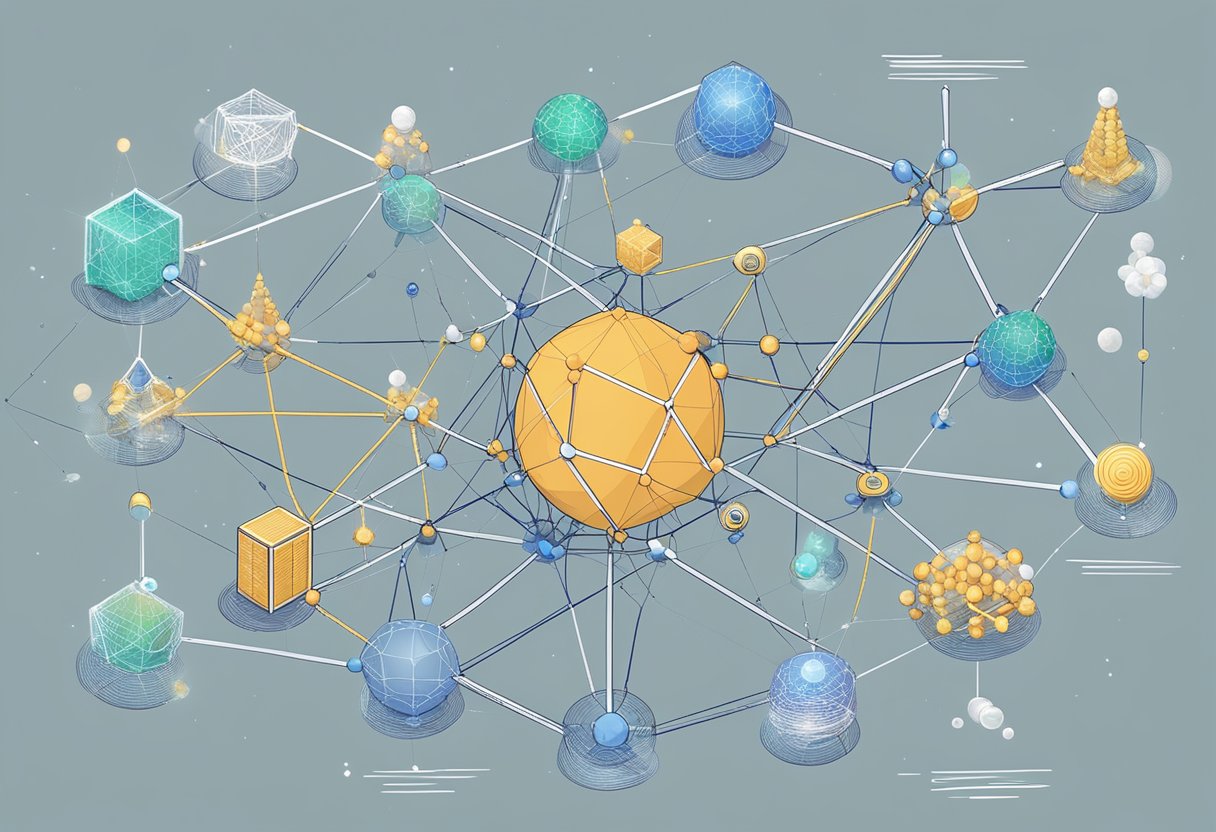
COSMOS is an ecosystem of interconnected blockchains that are designed to enable seamless communication between different blockchain networks. One of the key features of the COSMOS ecosystem is its governance system, which allows stakeholders to vote on proposals that can impact the entire network.
The COSMOS governance system is designed to be flexible and adaptable, allowing stakeholders to propose changes to the network through either code-based or text-based proposals. Code-based proposals are changes to the underlying code of the network, while text-based proposals are changes to the governance system itself.
Proposals go through a lifecycle that includes creation and deposit, voting period, quorum, no with veto, and passing threshold. During the creation and deposit phase, anyone can create a proposal and stake a certain amount of ATOM tokens to support it. Once a proposal has been created, it enters the voting period, during which stakeholders can vote on whether or not to approve it.
To pass, a proposal must meet certain requirements, including a minimum quorum of votes and a minimum percentage of votes in favor of the proposal. In addition, the proposal must not receive a "no with veto" vote from any of the top 100 validators on the network.
Participation in the governance process is open to anyone who holds ATOM tokens, and there are many ways to get involved. Stakeholders can discuss proposals on the COSMOS governance forum, submit their own proposals, and vote on proposals that have been submitted by others.
Overall, the COSMOS governance system is designed to be transparent, democratic, and responsive to the needs of the network's stakeholders. By enabling stakeholders to vote on proposals and make changes to the network, the COSMOS ecosystem is able to evolve and adapt to meet the needs of its users.
COSMOS Tokens and Economics

The Cosmos ecosystem has its own native token, ATOM, which serves as the primary means of transaction within the network. ATOM is used to pay for transaction fees, staking rewards, and governance participation. As of February 5th, 2024, the market capitalization of ATOM is over $10 billion USD, making it one of the most valuable tokens in the blockchain space.
In addition to ATOM, there are numerous other tokens within the Cosmos ecosystem. These tokens are used to power various applications and services within the network. For example, the Binance Chain, Terra, and Crypto.org are all part of the Cosmos ecosystem and have their own native tokens.
The Cosmos ecosystem also has a unique economic model that encourages participation and rewards validators for securing the network. Validators are responsible for processing transactions and maintaining the integrity of the blockchain. In return for their services, validators receive a portion of the transaction fees and inflation rewards.
To become a validator, one must hold a certain amount of ATOM and go through a rigorous process to ensure their technical capabilities and commitment to the network. This system incentivizes validators to act in the best interest of the network and maintain its security and stability.
Overall, the Cosmos ecosystem has a robust and dynamic token economy that rewards participation and encourages growth. With its unique economic model and diverse range of tokens, the Cosmos ecosystem is poised for continued success in the blockchain space.
COSMOS Network Security
COSMOS Network is designed to provide a secure and reliable platform for blockchain-based transactions. The network utilizes Tendermint consensus algorithms, which ensure that the network remains secure and resistant to attacks.
One of the key features of COSMOS Network security is the use of validators. Validators are responsible for verifying transactions and maintaining the integrity of the network. Validators are selected based on their reputation and stake in the network, and are required to maintain a certain level of uptime and performance. Validators who fail to meet these requirements may be penalized or removed from the network.
COSMOS Network also uses a unique slashing mechanism to prevent malicious behavior. Validators who engage in malicious behavior or fail to meet their obligations may be subject to slashing, which involves the confiscation of a portion of their stake in the network.
To further enhance security, COSMOS Network utilizes a decentralized key management system. This system ensures that private keys are distributed across multiple nodes, making it more difficult for attackers to compromise the network.
In addition to these security measures, COSMOS Network also offers a range of tools and resources for developers to build secure and reliable blockchain applications. These tools include the Cosmos SDK, which provides a framework for building custom blockchain applications, and the Inter-Blockchain Communication (IBC) protocol, which allows for secure communication between different blockchain networks.
Overall, COSMOS Network is a highly secure and reliable platform for blockchain-based transactions. Its use of validators, slashing mechanisms, and decentralized key management system ensures that the network remains secure and resistant to attacks. Developers can take advantage of the platform's tools and resources to build secure and reliable blockchain applications.
إرسال تعليق